


What is Cittaslow?
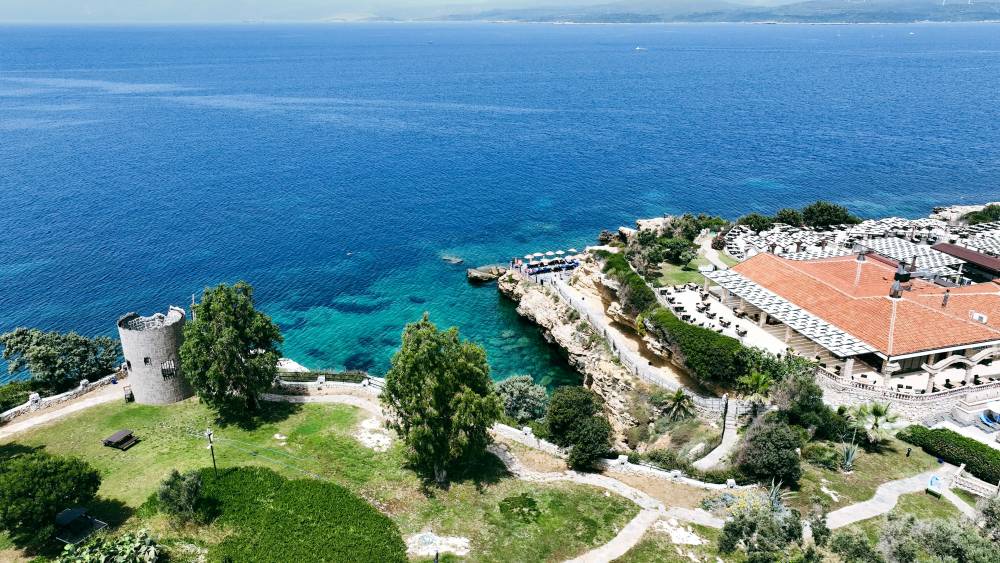
Welcome to the Cittaslow Philosophy!
In today's world, urban life is getting faster every single day. Modern people, racing against noise, traffic, concrete jungles, and time, are increasingly losing themselves in a lifestyle that detaches them from both nature and their inner selves. Unfortunately, the conveniences that technology introduces to our lives often bring along stress, loneliness, and a consumption-oriented lifestyle. This, in turn, directs people toward alternative quests for life that are simpler, in harmony with nature, respectful of local values, and focused on tranquility.
At this exact point, the concept of the slow city—namely, the "Cittaslow" philosophy—offers an important path to make a life away from speed possible. Prioritizing both the inner peace of individuals and the general welfare of society, this approach stays clear of traffic, remains environmentally conscious, embraces cultural heritage, and builds upon sustainability. For those who are weary of the hustle and bustle of metropolitan areas, Cittaslow is becoming increasingly attractive, serving as a breath of fresh air.
What is Cittaslow?
Cittaslow is a concept formed by combining the Italian word "citta" (city) and the English word "slow." This philosophy offers an alternative to the fast-paced lifestyle. Starting in 1999 in the city of Orvieto, Italy, the Cittaslow movement essentially focuses on the quality of life rather than the size of cities. Cities that are away from traffic, sensitive to the environment, supportive of local products, and protective of cultural riches are defined as Cittaslow cities.
The goal of this movement is to make cities more livable, more humane, and to encourage a "slower but more fulfilling" way of life.
History of the Cittaslow Movement
Born in Italy in 1999, the Cittaslow movement emerged inspired by the Slow Food movement. Taking a stance against fast-food culture, this approach argues that cities should not become "fast cities" either. In a short time, Cittaslow spread all over the world, particularly across Europe.
As for Cittaslow Turkey, it met with this network in 2009 when the Seferihisar district of İzmir joined the chain. Seferihisar became the pioneer of this movement as the first city in Turkey to receive the Cittaslow title. This step inspired many other towns, and today, more than 20 cities in Turkey hold the Cittaslow title.
What are the Cittaslow Criteria?
For a city to be included among Cittaslow cities, it must meet more than 70 criteria. These criteria cover many headings such as local development, environmental awareness, infrastructure quality, social participation, and cultural richness.
Some of the key criteria include:
-
Supporting and encouraging local products
-
Food safety and preservation of traditional culinary culture
-
Reduction of traffic noise
-
Utilization of renewable energy sources
-
Accessibility in urban planning for individuals with disabilities
-
Encouragement and support for cultural events
-
Protection and development of natural areas
Thanks to these criteria, Cittaslow cities allow both locals and visitors to lead a peaceful life in harmony with nature.
Sustainable Living and Cittaslow
Cittaslow is not just a tourism brand, but also a strong representative of sustainable living. Environmental practices such as the efficient use of natural resources, reduction of carbon footprint, and supporting the local economy form the foundation of this philosophy.
By adopting this sustainable approach, Turkey’s Cittaslow cities set an example with eco-friendly policies that respect nature. At the same time, city residents are encouraged to participate in social life and take an active role in decision-making processes.
The Most Popular Cittaslow Cities in Turkey
The Cittaslow cities in Turkey fully deserve this title with their natural beauties, historical heritages, and strong local cultures. However, among these cities, Seferihisar holds a very special place. Joining the Cittaslow network in 2009 and earning the title of Turkey's first slow city, Seferihisar has become a source of inspiration for other cities through the projects it has implemented in line with the Cittaslow criteria. The producer market where local producers are supported, the Sığacık Neighborhood where cultural heritage is preserved, an eco-friendly municipal approach, and sustainable tourism practices have made Seferihisar the pioneer of this movement. Among other popular Cittaslow cities are Akyaka (Muğla), known for its life intertwined with nature; Gökçeada (Çanakkale), which stands out for its organic agriculture; and Finike (Antalya), famous for its citrus orchards. Each preserves its own identity, making a peaceful and conscious life possible in line with Cittaslow criteria.
Seferihisar (İzmir)
When it comes to Cittaslow İzmir, the first place that comes to mind is undoubtedly Seferihisar. Earning Turkey's first Cittaslow title in 2009, this charming district is also the leader of Turkey's slow city movement.
Seferihisar stands out for its natural beauties, organic market, local products, and historical riches. Drawing attention with the Ancient City of Teos, Sığacık Castle, and mandarin orchards, the district is also renowned for its producer market where local producers are supported.
Cittaslow Seferihisar is a unique destination both for those who want to have a vacation and for those who wish to experience a life intertwined with nature.
Akyaka (Muğla)
Located on the shores of the Gulf of Gökova, Akyaka is one of the most peaceful corners of Muğla. Known for its wooden houses, the Azmak River, and nature hiking trails, this small town joined this network right after Cittaslow Seferihisar in 2011.
Gökçeada (Çanakkale)
As Turkey's largest island, Gökçeada stands out for its natural resources, organic agriculture, and slow lifestyle. It draws attention with its Greek villages, clean beaches, and unique architecture.
Finike (Antalya)
Famous for its oranges, Finike is an ideal spot for those looking for a quiet holiday away from the crowds of Antalya. It is one of the cities that truly deserves the Cittaslow title with both its natural and cultural riches.
What to Do in Cittaslow Cities?
Cittaslow cities are ideal places for nature walks, local market visits, bicycle tours, and cultural events. The main activities to do in these cities include:
-
Shopping for organic and local products
-
Exploring the historical texture
-
Spending time intertwined with nature
-
Participating in local festivals
-
Tasting traditional dishes
Each city teaches visitors to slow down, enjoy the moment, and reconnect with nature.
What are the Best Seasons to Visit?
For those wishing to visit Cittaslow cities, the choice of season can directly affect the quality of the experience. Since these cities are known for their atmosphere that is intertwined with nature, away from crowds, and full of peace, timing the visit right offers a much more enjoyable journey. Spring and autumn, in particular, are among the most ideal seasons to explore Cittaslow destinations. During these periods, nature revives; trees blossom, and the weather is neither too hot nor too cold. Cool yet sunny days are perfect for long walks, bike tours, and outdoor activities. Moreover, since it is much less crowded compared to the summer season, the serene soul of the cities can be felt more clearly.
In the summer months, coastal towns such as Seferihisar, Akyaka, and Finike become attractive for those planning a vacation intertwined with the sea. Especially in the Sığacık neighborhood of Seferihisar, you can enjoy the sea while visiting local markets and inhale the scent of mandarins as you wander through its historical streets. In Akyaka, you can take a refreshing boat tour on the Azmak River, and in Finike, you can take peaceful walks among the orange groves.
During the winter months, some Cittaslow cities may be quieter and more secluded; however, for those who love the serenity of winter, this also offers a distinct charm. Walking through quiet village streets, chatting with the locals, and experiencing traditional cuisines can also be a delightful alternative in winter.